Difference between revisions of "Category:Domain:Ouro Preto, Brazil"
(→Domains / Marches | Dominios / Marcas) |
(→Domain History | Historia do Dominio) |
||
| Line 287: | Line 287: | ||
| valign=top style="width:40em" | | | valign=top style="width:40em" | | ||
| − | + | THE EPIC OF THE GOLDEN ARCH - A Chronicle of Shadows and Blood | |
| + | <br> | ||
| + | Act I – The Lands of the Deep Soul | ||
| + | "Before iron, before fire, the earth breathed." | ||
| + | <br> | ||
| + | In ancient times, when the moon was younger and the stars whispered secrets to men, the lands that would become the Empire were sacred. The peoples of the forests and rivers—Xacriabás, Maxacalis, Krenak, and Aranãs—walked under the blessing of the spirits. Gold slept in the bowels of the earth, and the shamans warned: "If ever they tear out its heart, darkness will awaken." | ||
| + | But the white men came with their crosses and swords, and the blood of the innocent watered the soil. | ||
| + | <br> | ||
| − | + | Act II – The Gold Cycle | |
| + | "With gold came blood, with blood the empire was born." | ||
| + | <br> | ||
| + | Behold, the bandeirantes, ravenous for riches, tore open the earth and enslaved its children. Vila Rica rose as a beacon of opulence and sin, its golden churches hiding shadows that fed on the sweat of the condemned. In dungeons and alleys, the first vampires, the Kindred, whispered alliances, while mortals raised altars to a God who did not hear them. | ||
| + | Ouro Preto became the heart of power, but beneath its streets, something ancient and hungry waited. | ||
| + | <br> | ||
| − | + | Act III – Rebellion and the Marches | |
| + | "Freedom is a dream even the dead pursue." | ||
| + | <br> | ||
| + | When the rebels cried for liberty, the vampires listened. Not out of love for justice, but for opportunity. In the shadows, the proto-Marches emerged—alliances of blood and territory, where Gangrel, Ventrue, and Toreador vied for the right to rule. The mortal Crown fell, but the Empire of Shadows endured, weaving its dominion through the underworld of history. | ||
| + | <br> | ||
| − | The | + | Act IV – The Forge and the Fracture |
| + | "The fire of industry burns even souls." | ||
| + | <br> | ||
| + | The 20th century brought machines that roared like demons and smokestacks that spewed fumes across the sky. Ipatinga, Divinópolis, Itabira—cities forged in steel, where Nosferatu ruled the sewers and Gangrel commanded the railroad tracks. | ||
| + | And amid the chaos, Três Veredas, a refuge for the outcasts, the Damned, those who would not kneel. There, the Anarchs raised their banner, and the Empire, for now, tolerates... but war breathes in the dark. | ||
| + | <br> | ||
| − | + | Act V – The Golden Arch | |
| + | "A throne is not eternal, but fear is." | ||
| + | <br> | ||
| + | Andrew Newak, the Prince of Shadows, rules with an iron hand and cold eyes. His reign nears its end, and Ibrahim Karaslam, the heritage, the unknown—approaches the Throne. | ||
| + | Five Marches obey, each with its Marquis, its LandKeeper, its Sheriff. But in the streets of Três Veredas, the nightfolk whisper: "The Golden Arch is cracking." | ||
| + | <br> | ||
| − | + | Epilogue – What is to Come | |
| + | "No empire lasts forever. But some fall faster than others." | ||
| + | <br> | ||
| + | The Central Court gathers in Ouro Preto, while the Anarchs test their limits. Ancient blood still flows in the veins of the earth, and the dead shamans murmur: "The darkness always returns." | ||
| − | |||
| − | Ouro | + | | valign=top style="width:40em" | <font color="006600"> |
| + | A EPOPEIA DO ARCO DOURADO - Uma Crônica de Sombras e Sangue | ||
| + | <br> | ||
| + | |||
| + | Ato I – As Terras da Alma Profunda | ||
| + | "Antes do ferro, antes do fogo, a terra respirava." | ||
| + | <br> | ||
| + | Nos tempos imemoriais, quando a lua era mais jovem e as estrelas sussurravam segredos aos homens, as terras do que viria a ser o Império eram sagradas. Os povos das florestas e dos rios—Xacriabás, Maxacalis, Krenak e Aranãs—caminhavam sob a bênção dos espíritos. O ouro dormia nas entranhas da terra, e os xamãs advertiam: "Se um dia arrancarem seu coração, a escuridão despertará." | ||
| + | Mas os homens brancos chegaram com suas cruzes e suas espadas, e o sangue dos inocentes regou o solo. | ||
| + | <br> | ||
| + | |||
| + | Ato II – O Ciclo do Ouro | ||
| + | "Com o ouro veio o sangue, com o sangue nasceu o império." | ||
| + | <br> | ||
| + | Eis que os bandeirantes, famintos por riquezas, rasgaram a terra e escravizaram seus filhos. Vila Rica ergueu-se como um farol de opulência e pecado, suas igrejas douradas escondendo sombras que se alimentavam do suor dos condenados. Nas masmorras e becos, os primeiros vampiros, os Kindred, sussurravam alianças, enquanto os mortais erguiam altares ao Deus que não os ouvia. | ||
| + | Ouro Preto tornou-se o coração do poder, mas sob suas ruas, algo antigo e voraz esperava. | ||
| + | <br> | ||
| − | + | Ato III – A Rebelião e as Marcas | |
| − | + | "A liberdade é um sonho que até os mortos perseguem." | |
| + | <br> | ||
| − | + | Quando os inconfidentes clamaram por liberdade, os vampiros ouviram. Não por amor à justiça, mas por oportunidade. Nas sombras, as proto-Marcas surgiram—alianças de sangue e território, onde Gangrel, Ventrue e Toreador disputavam o direito de governar. A Coroa mortal caiu, mas o Império das Sombras permaneceu, tecendo seu domínio nos subterrâneos da história. | |
| + | <br> | ||
| − | A | + | Ato IV – A Forja e a Ruptura |
| + | "O fogo da indústria queima até as almas." | ||
| + | <br> | ||
| − | + | O século XX trouxe máquinas que rugiam como demônios e chaminés que cuspiam fumaça sobre o céu. Ipatinga, Divinópolis, Itabira—cidades forjadas em aço, onde os Nosferatu reinavam nos esgotos e os Gangrel comandavam os trilhos dos trens. | |
| + | E no meio do caos, Três Veredas, refúgio dos desgarrados, dos Malditos, dos que não se ajoelhariam. Lá, os Anarquistas ergueram sua bandeira, e o Império, por enquanto, tolera... mas a guerra respira no escuro. | ||
| + | <br> | ||
| − | + | Ato V – O Arco Dourado | |
| + | "Um trono não é eterno, mas o medo, sim." | ||
| + | <br> | ||
| + | Andrew Newak, o Príncipe de Sombras, governa com mão de ferro e olhos frios. Seu reinado chega ao fim, e Ibrahim Karaslam, dito herdeiro, o desconhecido se aproxima do Trono. | ||
| + | Cinco Marcas obedecem, cada uma com seu Marquês, seu LandKeeper, seu Xerife. Mas nas ruas de Três Veredas, o povo da noite murmura: "O Arco Dourado está rachando." | ||
| + | <br> | ||
| − | + | Epílogo – O que está por vir | |
| + | "Nenhum império dura para sempre. Mas alguns caem mais rápido que outros." | ||
| + | <br> | ||
| + | A Corte Central reúne-se em Ouro Preto, enquanto os Anarquistas testam seus limites. O sangue antigo ainda corre nas veias da terra, e os xamãs mortos sussurram: "A escuridão sempre retorna." | ||
| − | |||
| − | |||
</font> | </font> | ||
Revision as of 02:03, 13 April 2025
Contents
- 1 Ouro Preto | Ouro Preto
- 2 Location | Localização
- 3 Officials | Oficiais
- 4 Members | Membros
- 5 Elders | Anciões
- 6 Founder Elders | Anciões Fundadores
- 7 Known Elysians | Elísios Conhecidos
- 8 Anarch | Anarquistas
- 9 Others | Outros
- 10 Antagonists | Antagonistas
- 11 Domains / Marches | Dominios / Marcas
- 12 Domain History | Historia do Dominio
- 13 R.I.P. – Rest in Peace | Descanse em Paz
Ouro Preto | Ouro Preto
Location | Localização

Ouro Preto, Brazil (Google Maps)
Officials | Oficiais
Domain | Domínio
|
Externals | Externos
|


Council | Conselho

Primogen
Clan
VAGO
The Marchs | Marquesatos

Marquise of Alvinopolis
Toreador
Valentina Villena y Arcos
Marquise of Barbacena
Malkavian
Angélica Trindade
Marquis of Conselheiro Lafaiete
Brujah
Kakita Hayato
Marquise of Forja das Águas
Gangrel
Helena d'Avalor
Marquis of Itabirito
Nosferatu
Zé Bafo Bagual


Members | Membros
|


Elders | Anciões
|
Founder Elders | Anciões Fundadores
|


Known Elysians | Elísios Conhecidos
Elysium | Elísio "Museu da Inconfidencia"
 |
Museu da Inconfidência is a historical and artistic museum that occupies the former Vila Rica Chamber and Jail House and four auxiliary buildings in the city of Ouro Preto, in the state of Minas Gerais. The museum is dedicated to preserving the memory of the Inconfidência Mineira and also offers a rich panel of mining society and culture in the period of the gold and diamonds cycle in the 18th century, including works by Manuel da Costa Ataíde and Aleijadinho. It is located in Tiradentes square, in front of the monument to Joaquim José da Silva Xavier, the most famous activist of the Inconfidência. |
Museu da Inconfidência é um museu histórico e artístico que ocupa a antiga Casa de Câmara e Cadeia de Vila Rica e mais quatro prédios auxiliares na cidade de Ouro Preto, no estado de Minas Gerais. O museu é dedicado à preservação da memória da Inconfidência Mineira e também oferece um rico painel da sociedade e cultura mineiras no período do ciclo do ouro e dos diamantes no século XVIII, incluindo obras de Manuel da Costa Ataíde e Aleijadinho. Localiza-se na praça Tiradentes, em frente ao monumento a Joaquim José da Silva Xavier, o mais famoso ativista da Inconfidência. |
 |
Anarch | Anarquistas

Baroon of Três Veredas
Ravnos
Val Yankhara
Anarch
Gangrel
Tereza Cristina Galli
Anarch
Nosferatu
Denise Myiamoto
Anarch
Toreador
Katsumoto Akira


Others | Outros
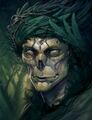
Guardian
Wraith
Ewao
UNKNOWN
Unknown
Cheshire Q
UNKNOWN
Unknown
O Investidor
UNKNOWN
Unknown
Maurício


Antagonists | Antagonistas

Unknown
Unknown
Lord Euri
Unknown
Unknown
"O Nativo"
Mafia de Minas Gerais
Werewolf - Glasswalker
Don Gabriel Rezort
UNKNOWN
Unknown
Isabella Martini
Unknown
Unknown
Olivier Deveraux


Domains / Marches | Dominios / Marcas
|
The Ouro Preto Domain is divided in Marches, territories where the Marquis have a Prince-like authority, under the tutelage of the Prince. |
O Domínio de Ouro Preto é dividido em Marcas, territórios onde o Marquês tem autoridade principesca, sob a tutela do Príncipe. |
Each Mark is an Annex of the Realm. | Cada Marca é um Anexo do Reino.


Known Marches are:| As Marcas conhecidas são:
Alvinopolis, Barbacena, Conselheiro Lafaiete e Itabirito | Alvinopolis, Barbacena, Conselheiro Lafaiete e Itabirito
Domain History | Historia do Dominio
Galeria de Principes | Princes Gallery

Toreador
Almérico dos Reis 1st
Brujah
Karpos 2nd
Ventrue
Lucas Bonfim 3rd
Assamite
Ryah Massoud 4th
Lasombra Anti
Andrew Newak 5th


|
THE EPIC OF THE GOLDEN ARCH - A Chronicle of Shadows and Blood
Act II – The Gold Cycle
"With gold came blood, with blood the empire was born."
Act III – Rebellion and the Marches
"Freedom is a dream even the dead pursue."
Act IV – The Forge and the Fracture
"The fire of industry burns even souls."
Act V – The Golden Arch
"A throne is not eternal, but fear is."
Epilogue – What is to Come
"No empire lasts forever. But some fall faster than others."
|
A EPOPEIA DO ARCO DOURADO - Uma Crônica de Sombras e Sangue
Ato I – As Terras da Alma Profunda
"Antes do ferro, antes do fogo, a terra respirava."
Ato II – O Ciclo do Ouro
"Com o ouro veio o sangue, com o sangue nasceu o império."
Ato III – A Rebelião e as Marcas
"A liberdade é um sonho que até os mortos perseguem."
Quando os inconfidentes clamaram por liberdade, os vampiros ouviram. Não por amor à justiça, mas por oportunidade. Nas sombras, as proto-Marcas surgiram—alianças de sangue e território, onde Gangrel, Ventrue e Toreador disputavam o direito de governar. A Coroa mortal caiu, mas o Império das Sombras permaneceu, tecendo seu domínio nos subterrâneos da história.
Ato IV – A Forja e a Ruptura
"O fogo da indústria queima até as almas."
O século XX trouxe máquinas que rugiam como demônios e chaminés que cuspiam fumaça sobre o céu. Ipatinga, Divinópolis, Itabira—cidades forjadas em aço, onde os Nosferatu reinavam nos esgotos e os Gangrel comandavam os trilhos dos trens.
E no meio do caos, Três Veredas, refúgio dos desgarrados, dos Malditos, dos que não se ajoelhariam. Lá, os Anarquistas ergueram sua bandeira, e o Império, por enquanto, tolera... mas a guerra respira no escuro.
Ato V – O Arco Dourado
"Um trono não é eterno, mas o medo, sim."
Epílogo – O que está por vir
"Nenhum império dura para sempre. Mas alguns caem mais rápido que outros."
|
R.I.P. – Rest in Peace | Descanse em Paz
|


Pages in category "Domain:Ouro Preto, Brazil"
The following 18 pages are in this category, out of 18 total.
